Tue Beck Saarie

For twenty years I designed Nordic LARPs. Some were large, four hundred players, no script, no game master. Some were small and considerably stranger, pushing at what the medium could do when you stripped every safety net away. The only design constraint that mattered: when they leave, they should feel they told their own story.

That problem never went away. It followed me into digital product leadership at Karnov, NightPay, and a string of ventures where the question was the same and the medium was different. It is now the subject of my master's research at Aalborg University, where I am studying AI-assisted narrative systems.

The Khoric Framework is what twenty years of that problem looks like when it finally has a name.

I have spent fifteen years as a product leader, launching business-critical products, failing a startup, and learning the product playbook from the inside. My product history is on LinkedIn.

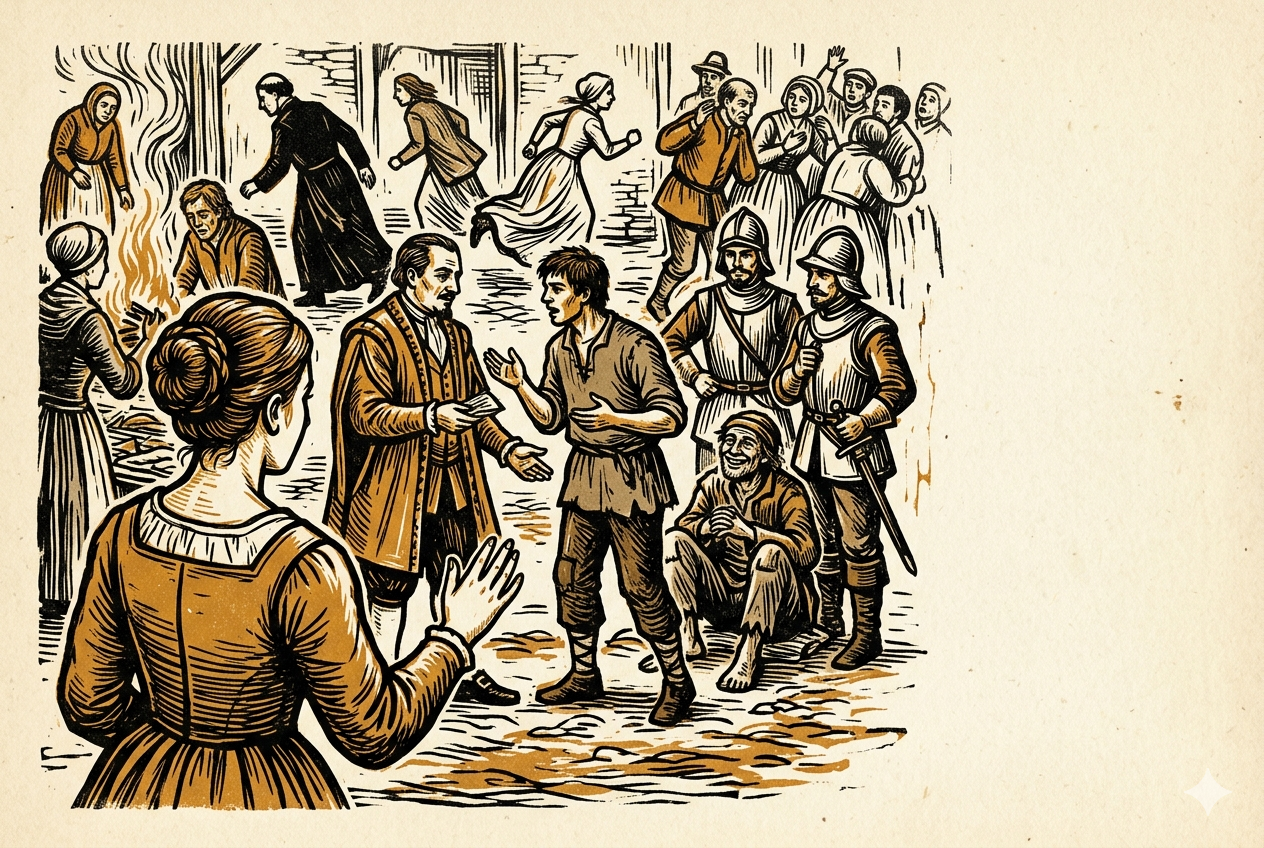
Here is where I learned to design for creators

Nemefrego Saga

Nemefrego Saga

1997–2002

Four hundred players. No script. No game master.

The only thing designed was the world. Everything that happened in it was theirs. This is where I learned that a product can be complete and unfinished at the same time.

Read More →
Casus Belli

Casus Belli

2009

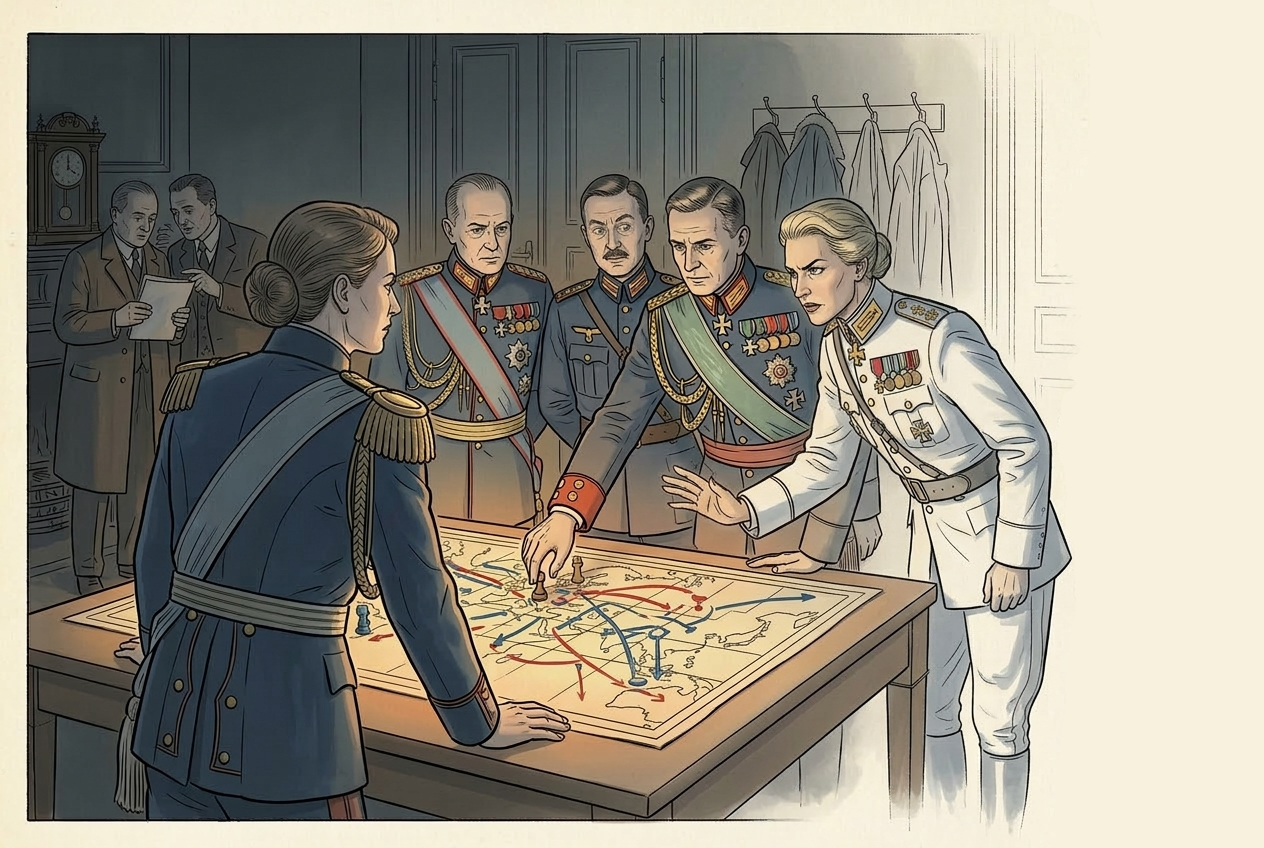
What if the most dangerous enemy was sitting at your own table?

Built on Diplomacy. Each player had a role with real power: the magnate gambled on markets, the general moved troops, the diplomat signed alliances, the leader handed out medals. Individual leaderboards. Team win conditions. The two pulled in opposite directions. The most powerful currency turned out to be medals. Not because they had value. Because they had meaning. The system held even when nobody played it the way we expected.

Read More →
Starstruck

Starstruck

2008

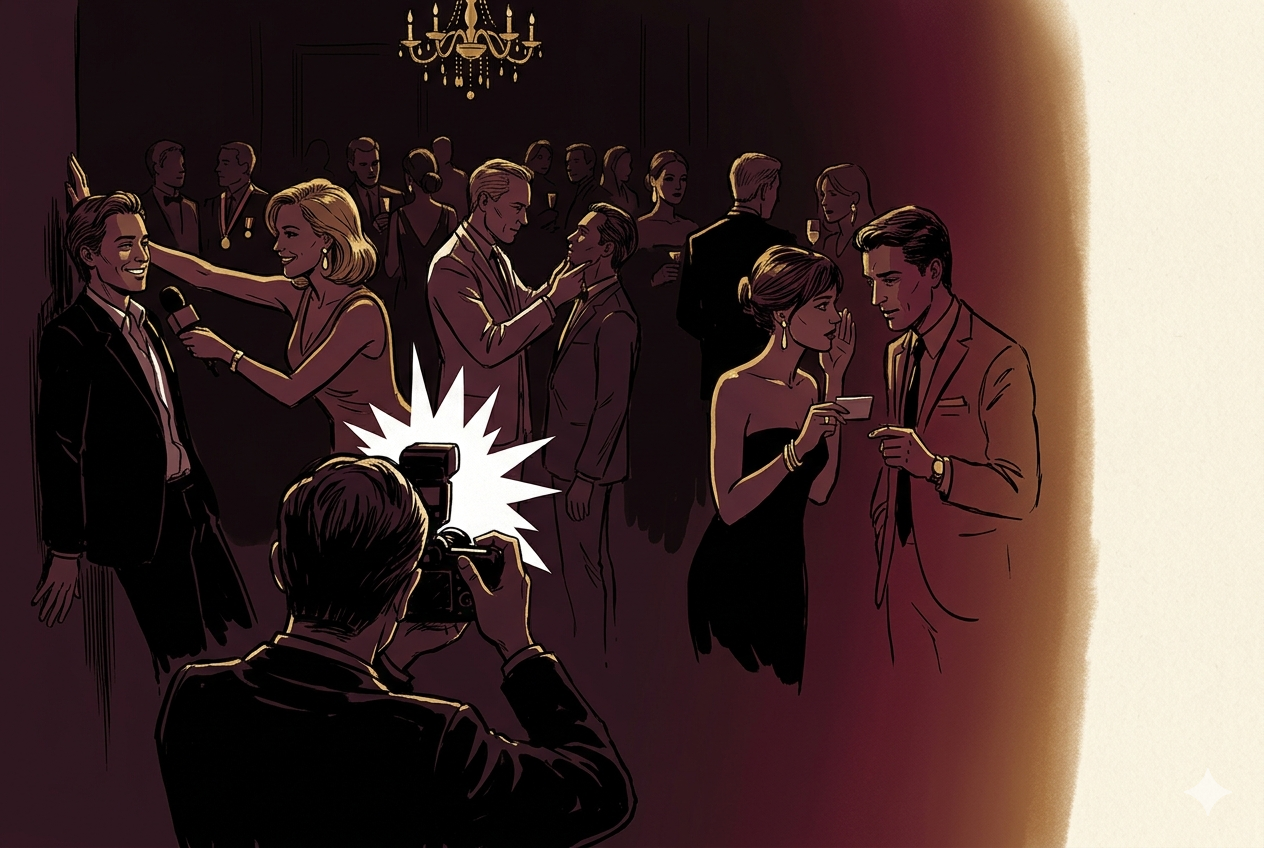
A party game about fame.

Your friends are already in the room. The social energy is already there. The game just redirects it. Each player arrives as a stereotype they already know: the socialite, the provocateur, the reality star. They had already colonised our imaginations. The game opens with a red carpet photo shoot. Headlines are the currency. Players compete for them. The characters gave permission. The ugly side of fame needed no encouragement.

Read More →
Efter Vinter Kommer Vår

Efter Vinter Kommer Vår

2001

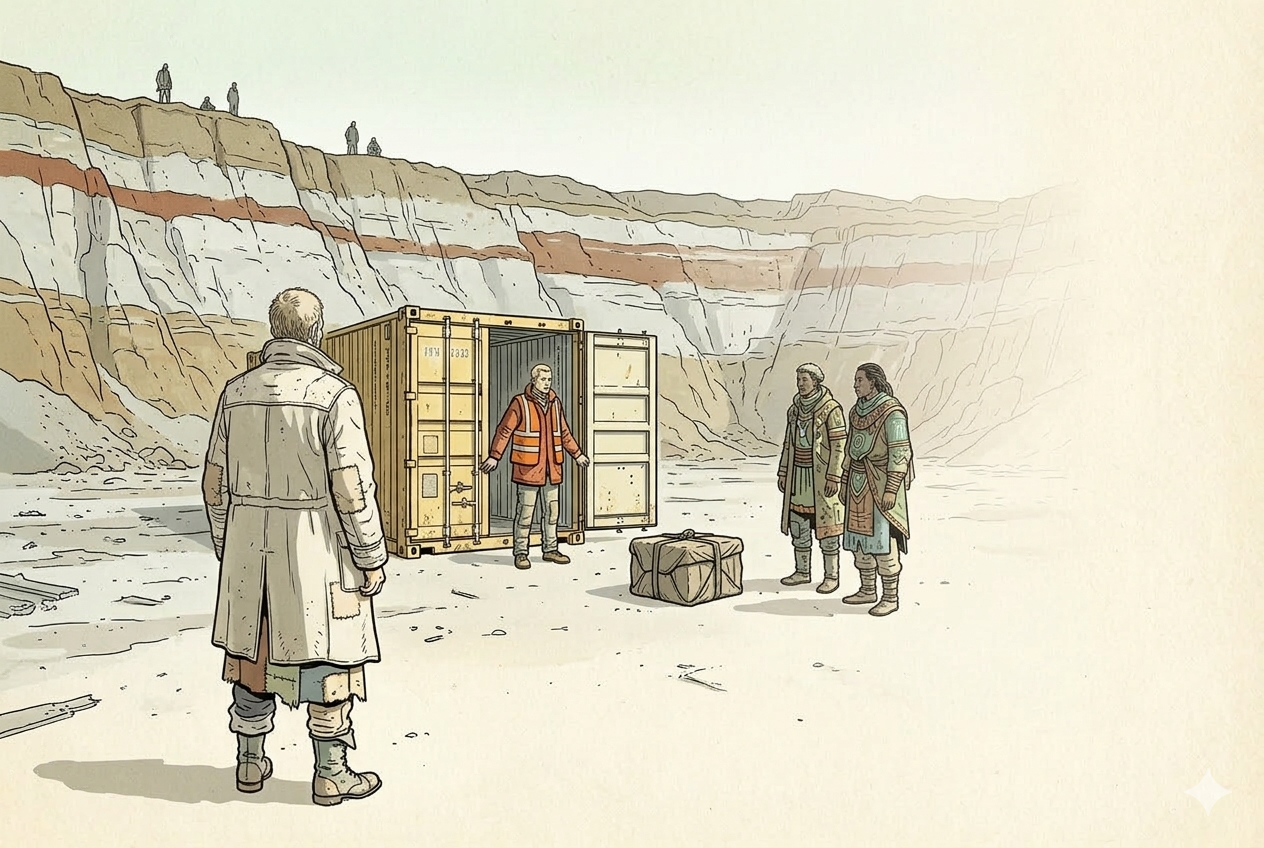
A post-apocalyptic game in a gravel pit.

Shipping containers. Junk to scavenge. A thousand cans of corn. Concrete blocks to build with. Good food and clothes hidden inside strongboxes with codes. When players arrived they saw the actual world of their characters. No tents. No cars. Nothing that wasn't in the game. Each group had designed their own culture in isolation. No group knew what the others had built. When they met, the collisions became the story.

Read More →
In Fair Verona

In Fair Verona

2012

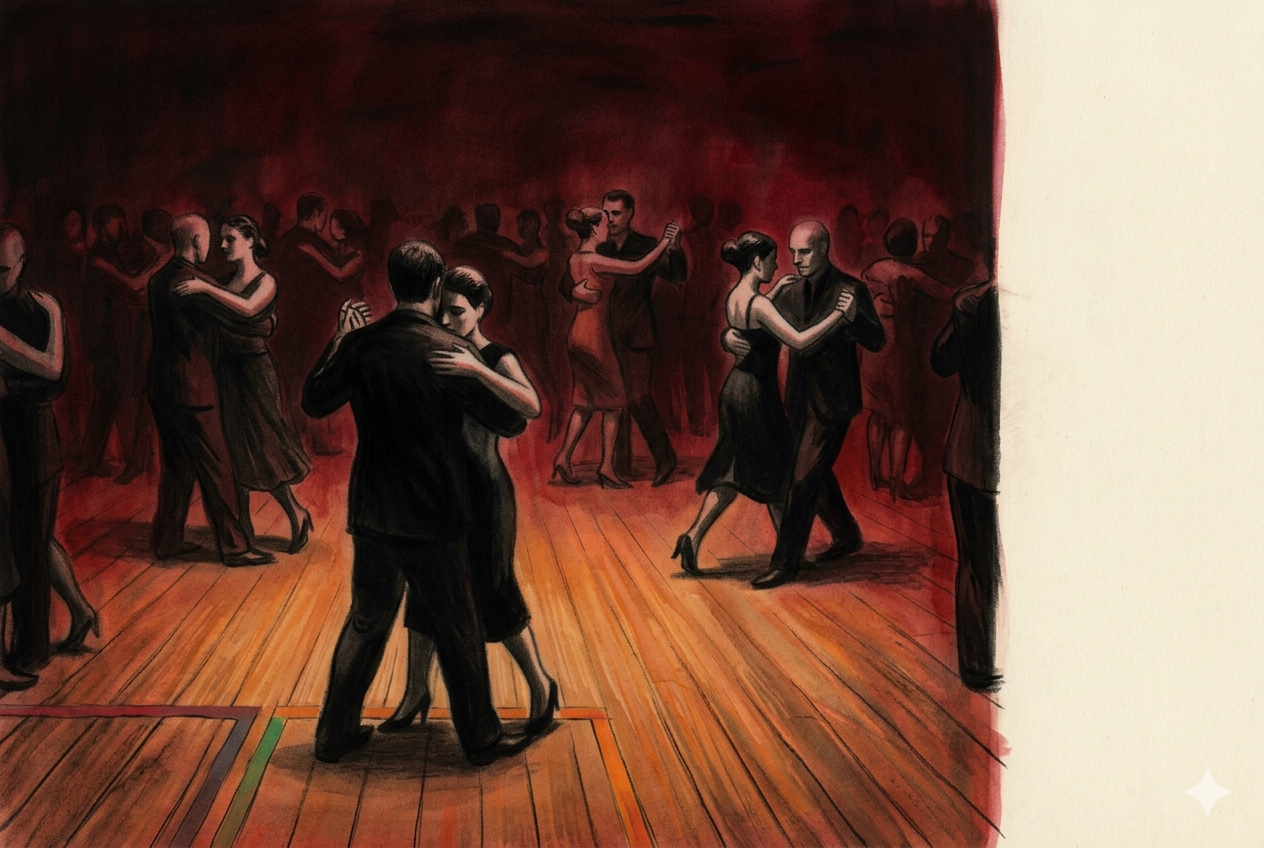
Thirty strangers. One weekend. A tango-LARP where dance was the only language.

We used structured learning to bring players to a place where they could hold total creative freedom. What couldn't be spoken could be danced. What couldn't be danced could be said.

Read More →